
Quality Control
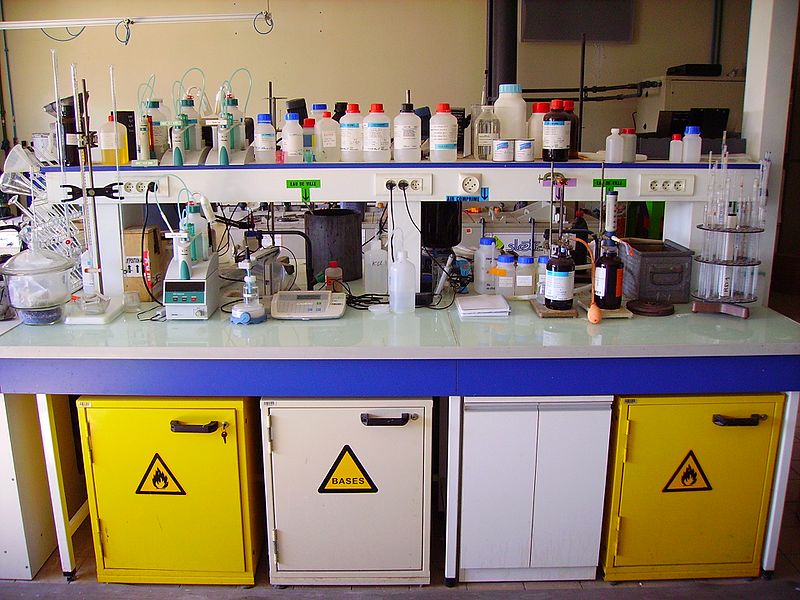
Repeated testing on various stages of every batch throughout the manufacturing process enables us to ensure quality and safety of our products. On average, a batch is tested six times. Every week our Technical staff in our full-scale quality control laboratory perform as many as 1,000 tests on raw materials, in-process product batches, and finished product.Arising in Industry :
- Lumps Too Fine : Plasters will create lumps during paste preparation.
- Inconsistency : Inconsistency of plaster setting time.
- Lower productivity and inconsistent quality of molds.
- Fragile Molds : Low bending strength plasters will produce molds that do not resist tough handling by workers.
- Short Mold Life : Low mechanical strength plasters yield too low mold surface hardness.
- Cracks : Plaster that expands or shrinks too much will make cracks on surface.
- Fast Setting Time : Too Fast Setting Time of Plaster : means not enough time to release bubbles, which results in lower strength, so risks of breakage during the handling of molds.
- Long Drying Time : Plaster with bad porosity will bring too long drying time of molds after usage.
- Surface Problems : Hard particles in plaster will destroy surface of your product.
- High Iron Content : Plaster will create black spots on clay ware.
- Set Plaster Lumps : Plaster badly protected from moisture will have lumps that will destroy surface of clay ware.
- Plaster water ratio
- Initial Setting Time
- Final Setting time
- % Rise in temperature
- M.O.R
- Acid Insoluble
- Porosity
- Silica Content
- Iron Content
- 1 hour kg/cm2
- Combined Water ratio
Contact Us
Ceraplast Industries
NH1-A, Kartholi Bari, Bari Brahmana, Samba, Jammu & Kashmir - 181133, India
Call Us : View Mobile Number
